Lorem Ipsum is simply dummy text of the printing and typesetting industry. Lorem Ipsum has been the industry’s standard dummy text ever since the 1500s, when an unknown printer took a galley of type and scrambled it to make a type specimen book. It has survived not only five centuries, but also the leap into electronic typesetting, remaining essentially unchanged. It was popularised in the 1960s with the release of Letraset sheets containing Lorem Ipsum passages, and more recently with desktop publishing software like Aldus PageMaker including versions of Lorem Ipsum.
It’s our pleasure that nastya_abroad has chosen Vejthani Hospital and placed her trust in our healthcare services. Our dedicated team is committed to providing exceptional medical care and ensuring a positive experience for all our patients.
Thank you for letting Vejthani Hospital take care of your healthcare needs.
Golf is a widely- popular sport that people of any gender and age can play. Although golf is classified as a technical, low-impact sport with minimal risk of injuries, numerous golfers experience injuries while engaging in the sport. A study reveals that out of 461 registered amateur golfers, 57.2% had reported experiencing injuries at some point.
The study shows that golf is one of the sports that can cause injury in the shoulders, lower back, elbows, wrists, and knees. However, the part that should be given special attention is shoulder pain. The pain would primarily occur in the shoulder joint. That is why it is essential to be well aware of shoulder pain that causes by golfing. It can help prevent or manage the symptoms in the initial stage. This also ensures the shoulders remain functional for everyday activities and sports.
“Tiger Woods, a world-renowned professional golfer, had a tendon injury in his left knee. Although back injury is generally the most common among golfers, it tends to arise from the muscles that can be easily treated. Shoulder pain is what we should be cautious about. Even if the pain is minimal, it may grow worse when lifting or crossing the arms at the back; an injured tendon may be hidden inside. If left unattended without the right treatment, this condition could lead to frozen shoulder or rotator cuff tears.”
Causes of Golf-Related Injuries
Swinging golf club requires significant strength from the left knee, waist, body, and left shoulder. Injuries to the left shoulder can occur from the swinging motion where the left shoulder extends past the right shoulder, causing a stretch in the left shoulder tendon. Subsequently, the muscles become rigid and swiftly pull on the tendons, allowing the left shoulder to rotate counterclockwise to strike the golf ball.
“When the stiff tendons are forcefully pulled, there is a possibility of them rubbing against the bone. While the initial rubbing may not be severe, repetitive friction can progressively escalate inflammation, eventually causing a rotator cuff tear or a frozen shoulder.”
Preventions of Shoulder Injury
Regular stretching exercises for muscles and flexibility of the tendons. Muscle tendons are like rubber bands with a certain level of flexibility. However, they can degenerate with age. The flexibility will decrease like a rubber band that is left out in the sun for too long, it becomes stiff, and when stretched too hard, it can easily be torn. Therefore, stretching exercises for the tendons to increase elasticity is extremely important.
Warm-up exercises before starting any sports are essential for the tendons. Warming up will help the tendons to be flexible and prepared for sports.
Adopt proper golfing techniques, as incorrect posture is one of the causes of injury. This
involves practicing appropriate swing motion, ensuring proper arm levels, back stretching, knee bending, swing deceleration, and rotating the body after striking the ball. Doing any of these incorrectly could put excessive pressure on the joints, increasing the likelihood of joint injuries.
In case of having shoulder pain
If the pain has already occurred, take a break from golfing for the first 2-3 days. Apply a cold compress when the pain starts. If it gradually improves in 1 week, start exercises targeting the shoulder tendons while simultaneously applying a warm compress for 3 weeks. Once this is completed, you can get back to golfing again. The exercises should be continuously done in combination with warm-ups before playing any sports and adopting the correct golfing techniques. However, if the pain does not improve or gets worse in 3 months, it is recommended to see an orthopedic surgeon specializing in sports medicine for proper diagnosis and medical advice. These days, a non-surgical procedure called “Platelet Rich Plasma” is used to treat mild tendon injuries.
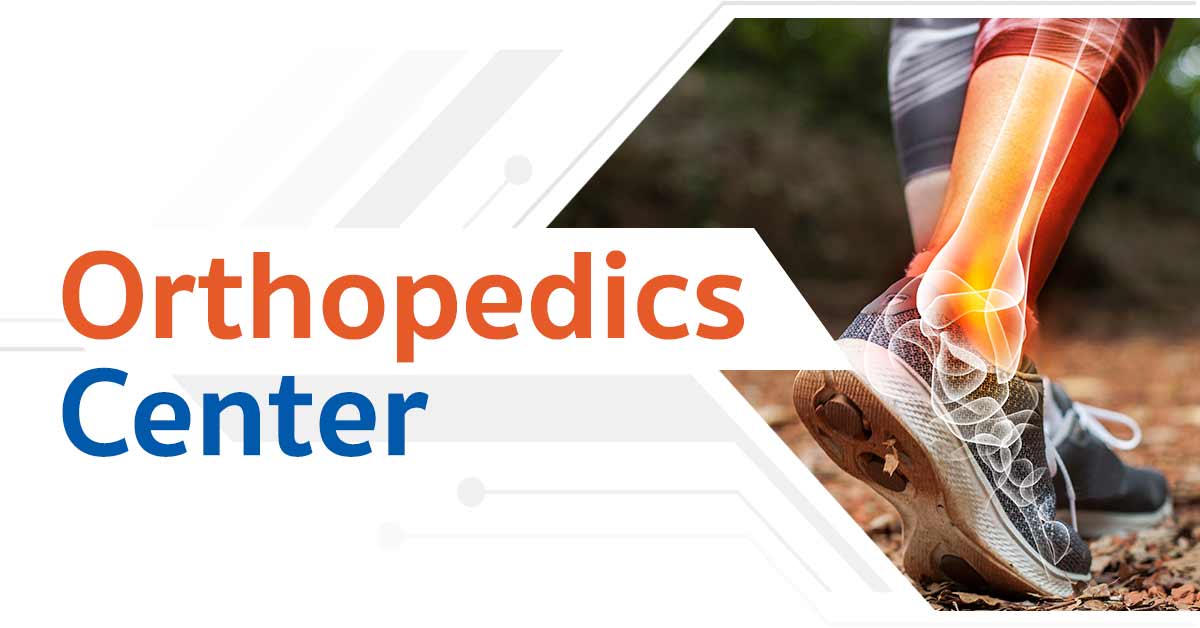
For more information, please contact Orthopedics Center, Vejthani Hospital. Call 02-734-0000 Ext. 2298 English hotline: (+66) 8-522 38888
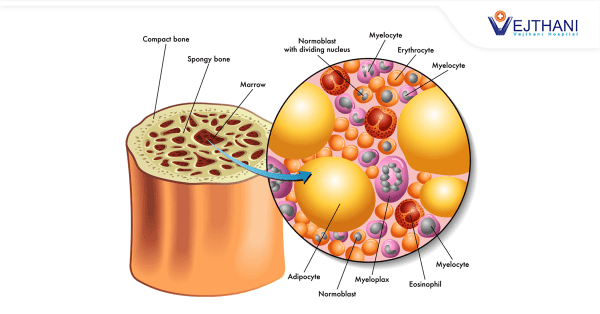
Bone marrow transplantation (BMT), also known as hematopoietic stem cell transplantation (HSCT), is a medical procedure that involves replacing damaged or diseased bone marrow with healthy stem cells. This treatment can be life-saving for patients with various blood disorders, cancers, and immune deficiencies. Here, we provide a detailed overview of some conditions that can be treated with BMT.
Bone Marrow Transplant is used for treatment when:
Bone marrow or stem cells are damaged and have failed to produce healthy blood cells.
Bone marrow or blood cells are unhealthy or when patients have a disease that needs healthy stem cells to replace.
After taking high dose chemotherapy or radiation, and they have affected both cancer cells and healthy cells. This would also require stem cell transplant.
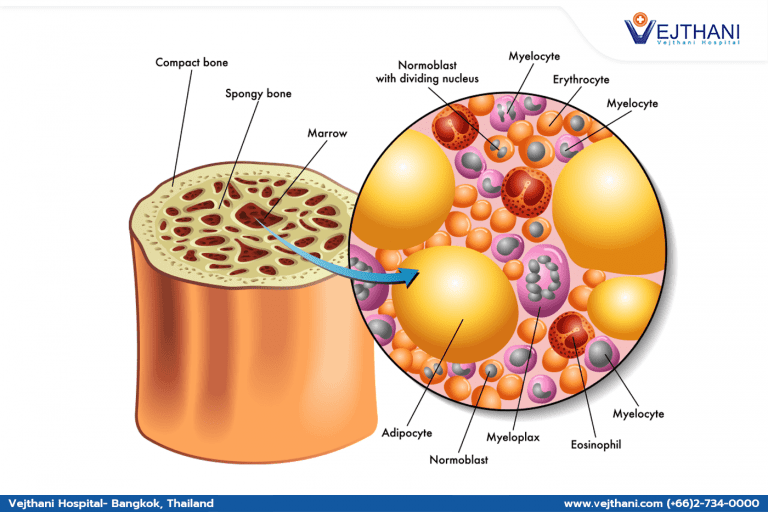
Stem cells grow inside the bone marrow and the soft tissues of the bones as well as the umbilical cord blood. After they grow for a certain time, they change into the followings:
Platelets for prevention of blood clot
Red blood cells for pure oxygen in the blood
White blood cells for the growth of immunity to fight foreign diseases
How Does Stem Cell Treatment Work?
There are two types of transplants. Doctor will decide which is best for the patient.
Autologous (AUTO) Transplant
This is a collection of healthy stem cells from the bone marrow or blood. Doctors will then carefully store them by freezing. After the treatment with high dosage of chemotherapy, the cells will be returned back to bloodstream through IV and back to bone marrow, allowing bone marrow to produce healthy blood cells again and group up the immunity in the body.
Allogeneic (ALLO) Transplant
This is done by taking healthy bone marrow from a donor. It is very important that donor’s bone marrow matches the bone marrow of the patient before transfusion. If not, there will be rejection from the patient’s body that it didn’t recognize the cells that have been transplanted. Family member should be the best choice to be the donor. Before taking ALLO, chemotherapy or radiotherapy or combination of the two treatments have to be given in advance to replace the old stem cells with the new ones.
Umbilical cord blood transplant looks like allogeneic transplant, but the distinct factor is that, the donor is from the baby’s umbilical cord. Thus, there is a less chance of receiving chemotherapy before stem cell infusion. When the patient is unable to find a relevant donor, doctor has to use this stem cell for treatment. But there is still a risk of having a problem because the donated cells will be taken from outside the patient’s body.
What are the Risks?
Before the Autologous or Allogeneic transplantation, patient needs a high dosage of chemotherapy in advance. Therefore, he or she may suffer from the following side effects of chemotherapy:
Nausea
Severe infections
Vomiting
Fatigue
Bleeding
Suffering from these side effects is certainly not good for the patient but this will prevent intense symptoms after having a stem cell transplantation.
In ALLO transplant, after the patient has received the stem cells from the donor or umbilical cord blood, there is a risk of developing GVHD as the cells in the body fight against foreign cells. This can happen immediately after the transplantation or a year later, even though doctors ensure that the donor stem cell has matched with the patient before the transfusion. If patient suffers from this problem, long-term medications can help controlling the symptoms.
Without stem cells, the body is unable to produce blood and the components that immune system needs to function. During stem cell transplantation, the body is “rescued” with an infusion of healthy stem cells.
Choosing the right source of stem cells is complex. The doctor will decide which method of stem cell collection should be used for treatment.
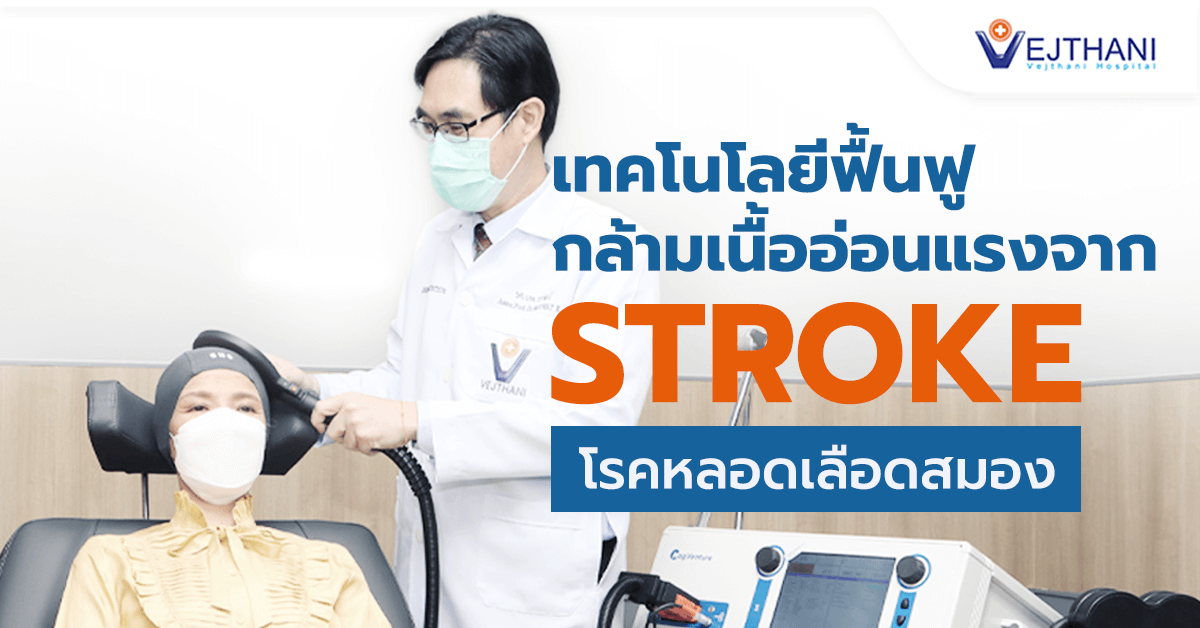
Restore muscle weakness and contractures in stroke patients to enhance mobility and quality of life through transcranial magnetic stimulation.
Stroke is currently a leading cause of disability and death in Thailand. If a stroke patient is taken to the hospital over three hours after the incident, there is a 50% chance of the patient experiencing disability or facing a severity that could potentially lead to death. The doctor will prescribe anticoagulants or antiplatelet drugs to treat stroke or remove the blood clots through thrombectomy. The treatment method depends on the severity of the disease and how early the patient is brought to the hospital.
Dr. Wasuwat Kitisomprayoonkul, neurological rehabilitation medicine doctor at Vejthani Hospital, revealed that after strokes have been treated, most patients will suffer from paralysis or paresis. Thus, rehabilitation is needed for patients to be able to regain mobility. The golden rehabilitation period is the first six months after a stroke. Currently, there are diverse methods of technology to assist patients in their recovery from paralysis, including transcranial magnetic stimulation (TMS) and peripheral magnetic stimulation (PMS). These advanced techniques aid in the restoration of muscle weakness and reduce muscle stiffness.
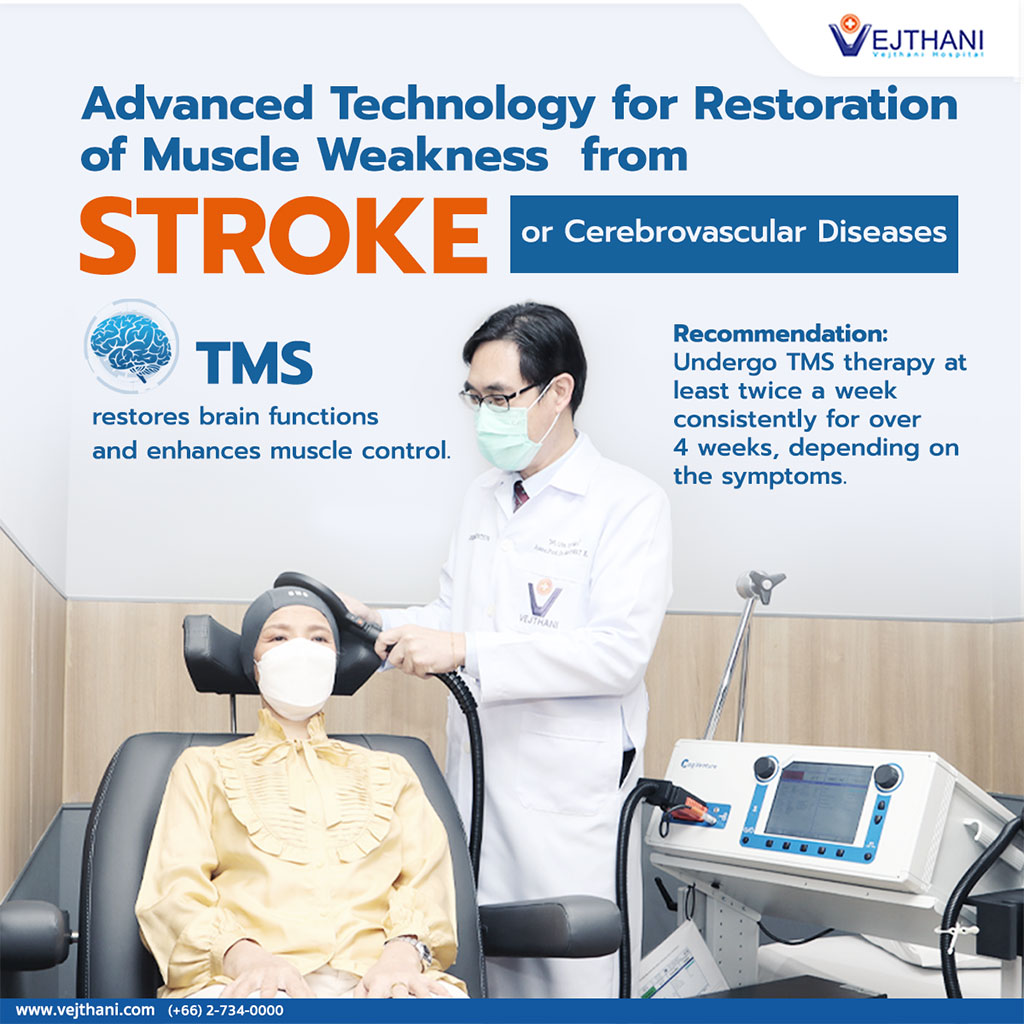
“After the treatment, certain patients may still have muscle weakness and experience muscle stiffness in the arms and legs, causing difficulty in movement and impacting their daily lives. This is where TMS plays its role by sending magnetic waves to stimulate the brain from the outside. An electromagnetic coil is placed against the scalp near the affected area to fix brain functionality and stimulate neural connections and brain cell circuits for recovery. This improves brain functions and enables more efficient muscle control.
In addition, PMS pads can be placed on a weakened arm or leg to stimulate muscle contractions and reduce stiffness,”explained Dr. Wasuwat.
Transcranial magnetic stimulation is a remarkably safe procedure that effectively stimulates the brain without causing pain or needing the implantation of electrodes through the skin. Muscles may twitch slightly during the procedure.
TMS does not require hospital admission. The doctor recommends consistently receiving TMS therapy at least twice a week for over four weeks. The length will depend on the symptoms. TMS should be done along with a rehabilitation program. However, it cannot treat patients with seizures or a metal or a deep brain neurostimulator implanted inside the brain.
For more information, please contact Advanced Rehabilitation Center, Vejthani Hospital.
Call 02-734-0000 Ext. 2972, 2973 English hotline: (+66) 8-522 3888
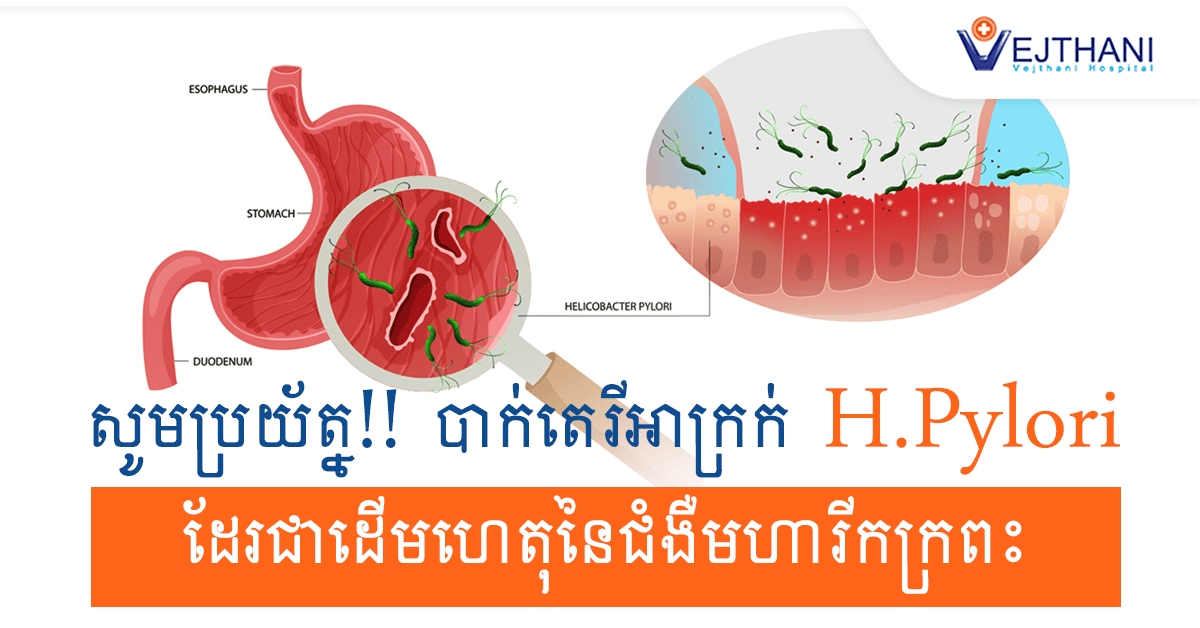
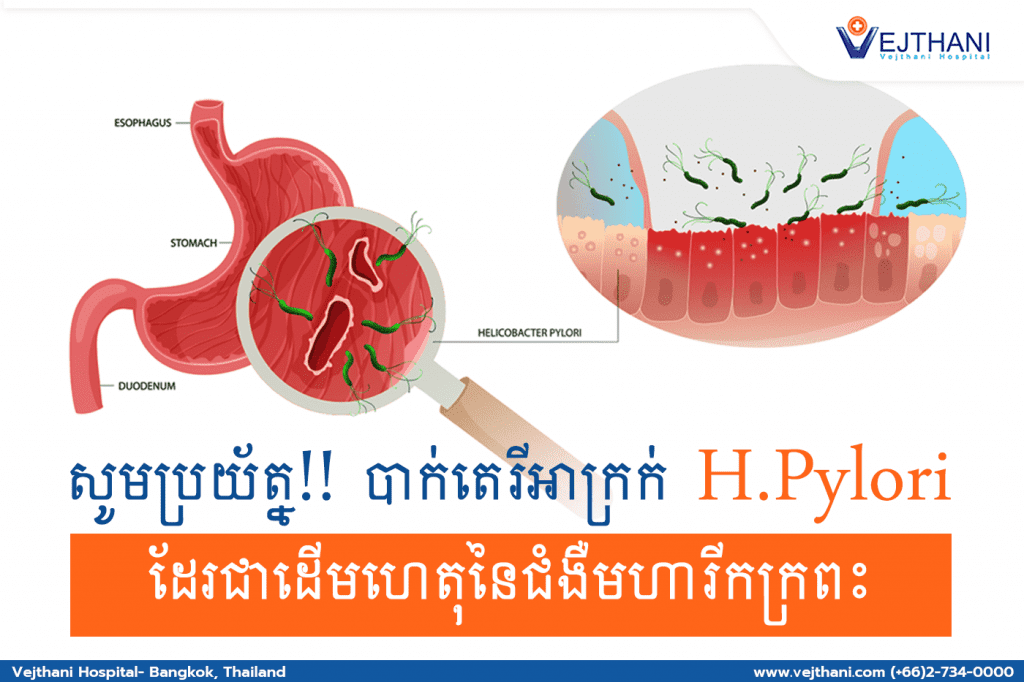
H. Pylori is a type of bacteria that causes inflammation in the stomach. The bacteria can be infected from consuming food that is contaminated with germs, which can be hard to avoid as we never know the source of the ingredients contain in the food we are taking.
H. Pylori bacteria causes inflammation in the stomach that results in chronic abdominal pain. Prolonged H. Pylori infection will stimulate the growth of the stomach lining, which may grow into “stomach cancer”.
However, there is no reason to panic about the symptoms. Abdominal pain can be caused by a variety of factors. Nevertheless, if the pain does not improve in 8 weeks, doctor’s recommendation is to undergo gastroscopy to find the exact cause.
For more information, please contact Cancer Center, Vejthani Hospital or call +66(0)2-734-0000 ext. 4500, 4501.
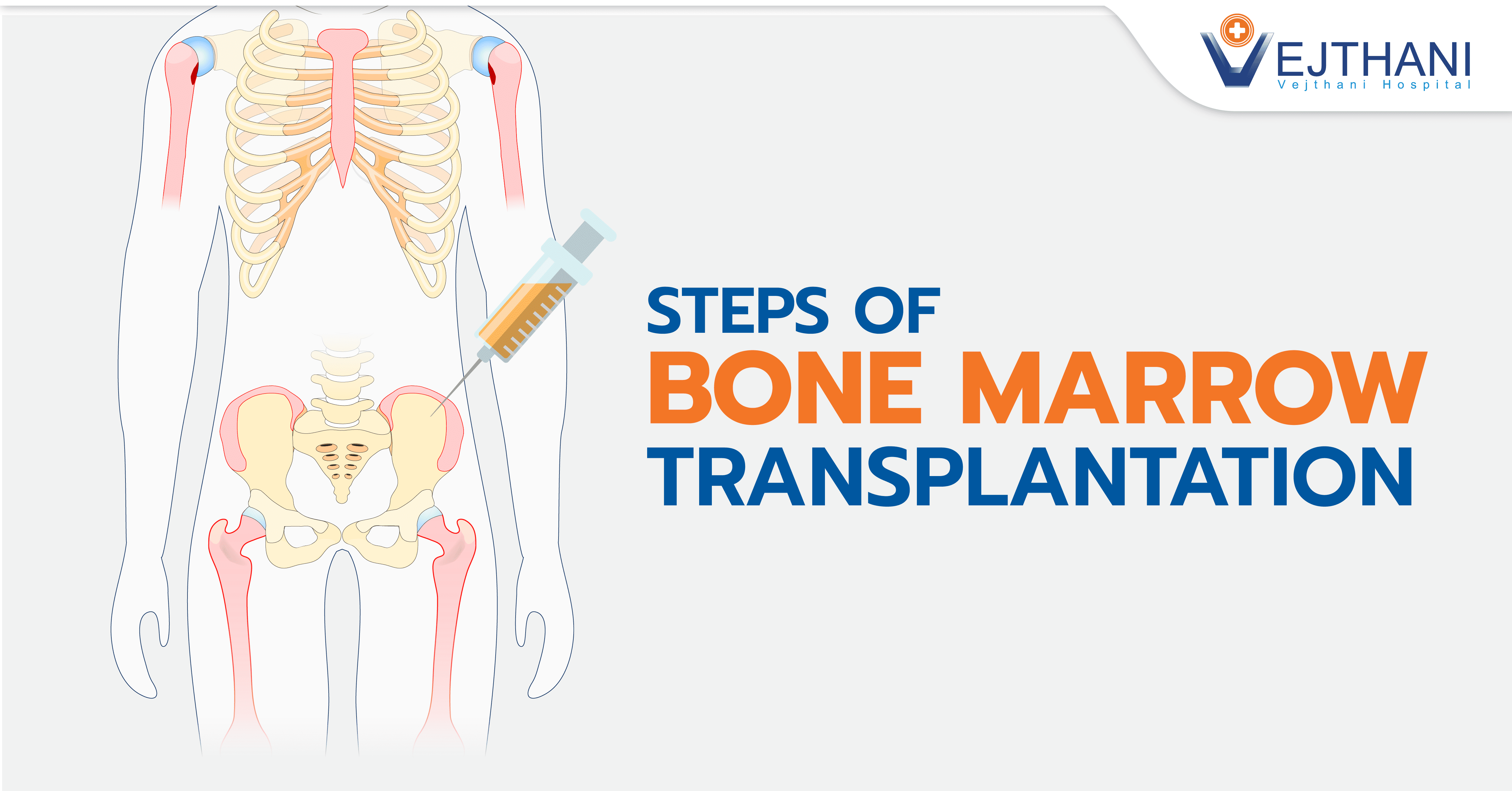
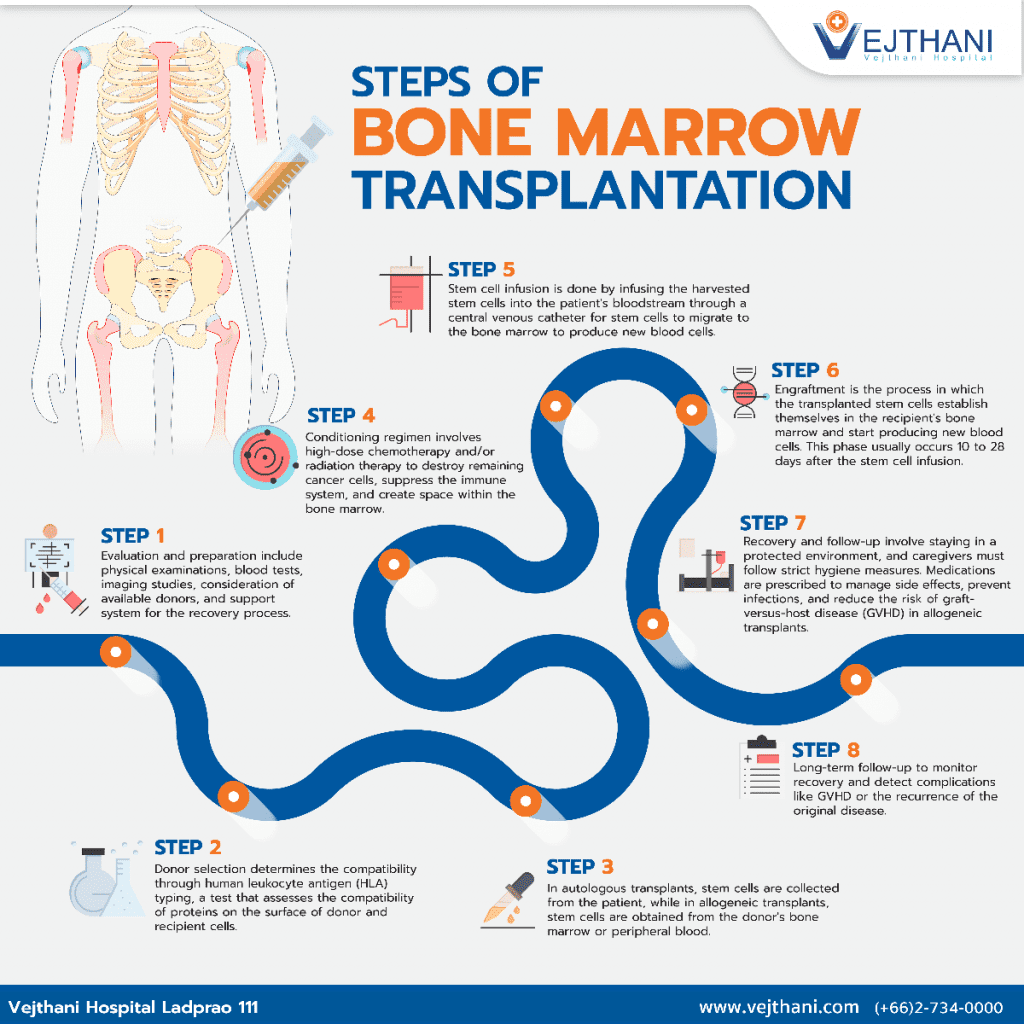
Bone marrow transplantation (BMT), also known as hematopoietic stem cell transplantation (HSCT), is a complex medical procedure involving several critical steps. The process can be broken down into the following stages:
Evaluation and preparation: Before BMT, patients undergo a thorough evaluation to determine their eligibility for the procedure. This assessment includes physical examinations, blood tests, and imaging studies to assess overall health and disease status. The healthcare team also considers factors such as the availability of a suitable donor and the patient’s support system during the recovery process.
Donor selection: A compatible donor is essential for the success of BMT. In autologous transplants, patients serve as their own donors, while allogeneic transplants require stem cells from a related or unrelated donor. Donor compatibility is determined through human leukocyte antigen (HLA) typing, a test that assesses the compatibility of proteins on the surface of donor and recipient cells.
Stem cell collection: Once a suitable donor is identified, the process of stem cell collection, or harvesting, begins. In autologous transplants, stem cells are collected from the patient, usually after administering growth factors to stimulate stem cell production. In allogeneic transplants, stem cells are obtained from the donor’s bone marrow or peripheral blood, depending on the specific transplantation method.
Conditioning regimen: Prior to stem cell infusion, patients undergo a conditioning regimen, which involves high-dose chemotherapy and/or radiation therapy. This process aims to destroy any remaining cancer cells, suppress the immune system to reduce the risk of rejection, and create space within the bone marrow for the new stem cells to grow.
Stem cell infusion: After the conditioning regimen, the harvested stem cells are infused into the patient’s bloodstream through a central venous catheter. The procedure is similar to a blood transfusion and typically takes a few hours. The stem cells then migrate to the bone marrow, where they begin to produce new blood cells.
Engraftment: Engraftment is the process through which the transplanted stem cells establish themselves in the recipient’s bone marrow and start producing new blood cells. This critical phase usually occurs within 10 to 28 days following the stem cell infusion. During this period, patients are closely monitored for signs of engraftment, such as rising blood cell counts.
Recovery and follow-up: The recovery period after BMT can be lengthy and challenging. Patients are susceptible to infections and complications due to their weakened immune systems. Therefore, they are typically kept in a protected environment, and caregivers must follow strict hygiene measures. Medications are prescribed to manage side effects, prevent infections, and reduce the risk of graft-versus-host disease (GVHD) in allogeneic transplants.
Long-term follow-up: After discharge from the hospital, patients continue to receive regular follow-up care to monitor their recovery and assess any late complications, such as GVHD or the recurrence of the original disease. This long-term follow-up may last for several years or even a lifetime, depending on the patient’s condition.
Bone marrow transplantation is a complex, multi-step process that requires careful planning and coordination among the patient, healthcare team, and donor. While BMT can be a life-saving treatment for various conditions, it carries inherent risks and demands a long recovery period, making thorough evaluation and follow-up crucial for success.
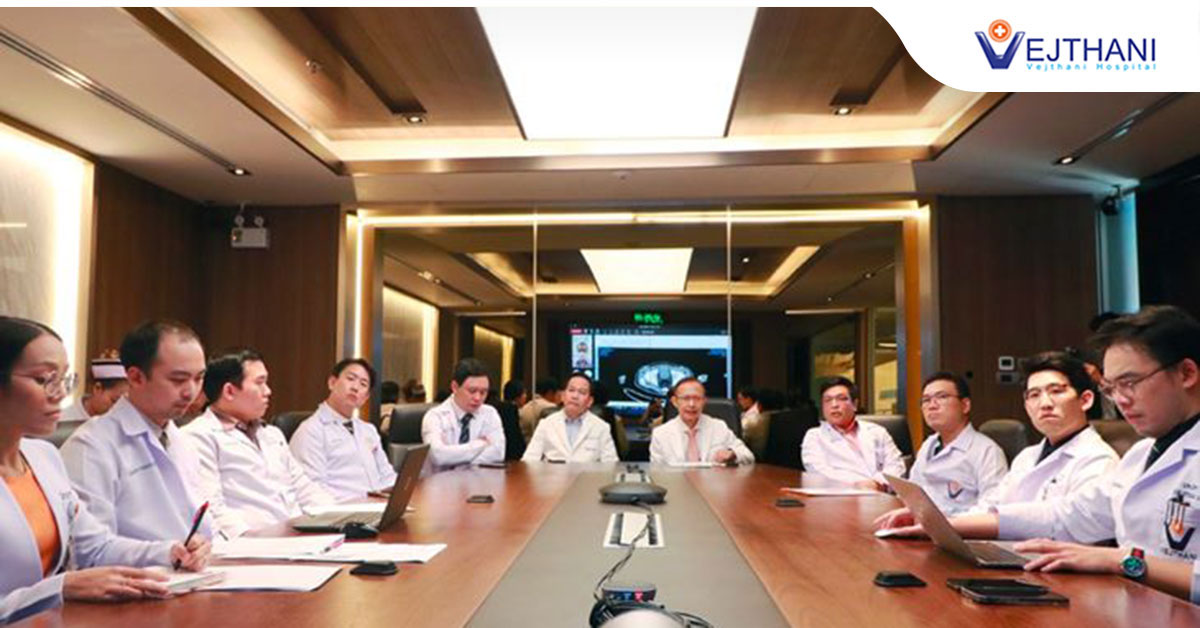
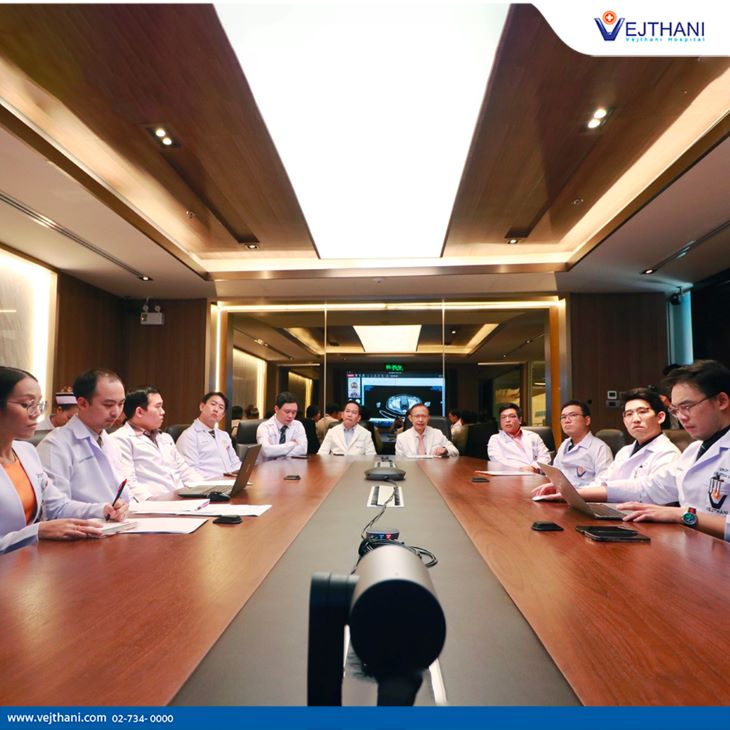
Vejthani Hospital’s Multidisciplinary Team (MDT) meets periodically in a tumor board review. This is just one of the many behind-the-scenes methods we use to ensure we offer the finest care to our patients at Vejthani Hospital, using the most advanced techniques and equipment.
The MDT is composed of many healthcare specialists. It includes medical oncologists, pathologists, radiologists, radiation oncologists, surgeons, physical therapists, genetics experts, nurses, and social workers.
Tumor Board Review
The purpose of the tumor board review is twofold. First, it serves as a preliminary “audition” of new equipment, surgical procedures, and medical techniques currently used to treat cancers and tumors.
The MDT uses their considerable knowledge, experience, and research ability to assess these new facets of treatment and judge whether they would measure up to the rigorous standards of care that the healthcare professionals at Vejthani Hospital adhere to.
The second reason for the tumor board review is to ensure that the protocols, treatments, and equipment we’ve been using provides the results we expect to see. This is to prevent any doubts or noticeable faults in our approved treatments, as they can fail our patients and destroy our well-earned reputation for providing the highest quality treatment.
Cancer treatments can be some of the most heartbreaking types of treatment to go through for families. It’s an often drawn-out and lengthy process that is hard on patients and their families. The tumor board review ensures that every cancer treatment offered at Vejthani Hospital provides the best chance to beat the disease.
Maintaining Our Standards
Vejthani Hospital has received numerous awards, accreditations, and citations from the Thai government and the local and international medical communities. Since achieving our first ISO 9001 certificate in 1999, we have been focused on maintaining a high standard of healthcare, and we’ve successfully made a name for our hospital, both locally and internationally.
Vejthani has been awarded CCPCs for its numerous programs in different departments from the Joint Commission International (JCI). It has also received four re-accreditations and innumerable certificates of distinction from them since 2013. In 2022, the JCI awarded our quality standards for patient care and organization management. It won the Best Hospital of the Year – Thailand Award by Healthcare Asia the same year.
The awards, accreditations, citations, and accolades Vejthani has obtained are primarily due to the efforts of our staff and the dedicated professionals on the tumor review board. By ensuring our patients receive the best treatment, they maintain the high stand of care that Vejthani Hospital has become known for.
To experience the highest standards of care, make an appointment at Vejthani Hospital today.
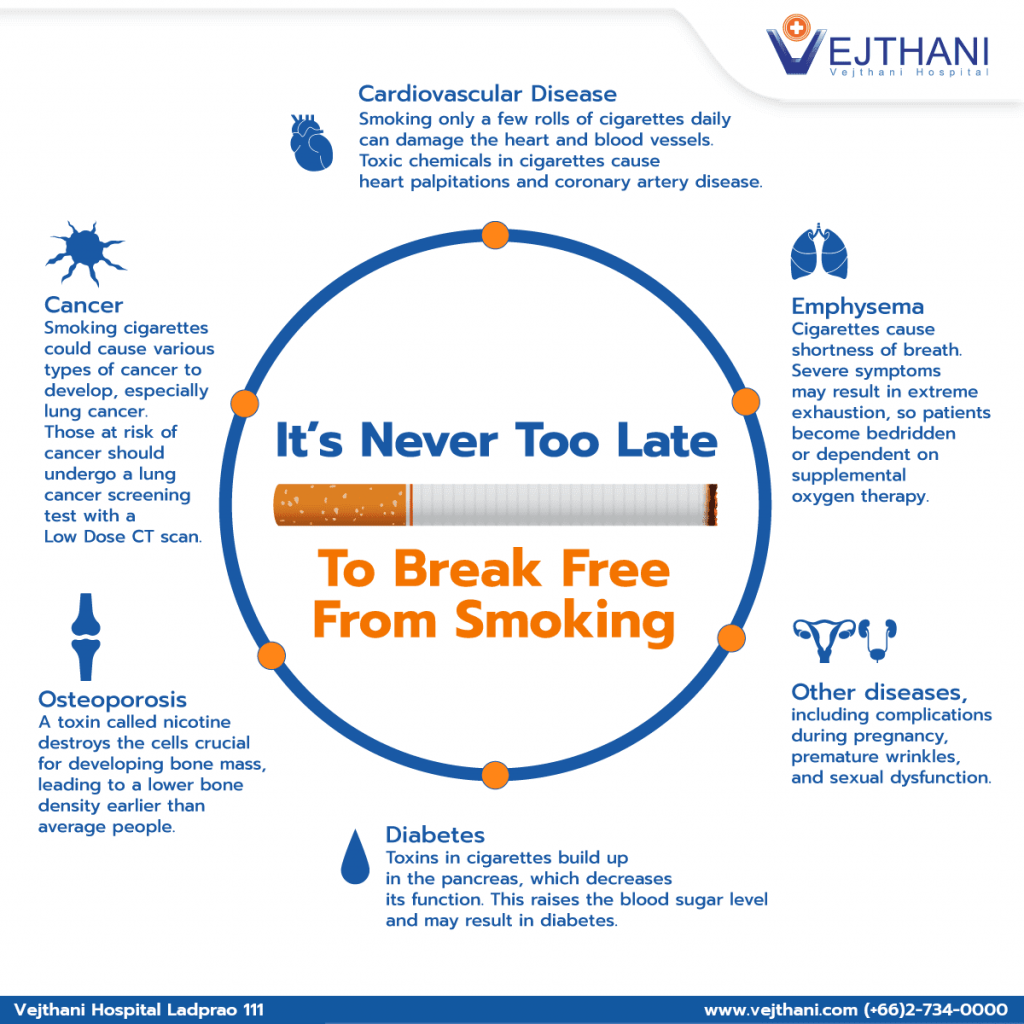
“Smoking” is not only harmful to the smokers themselves but also to the non-smokers who are exposed to cigarette smoke. Non-smokers have an equal risk of developing diseases as cigarettes have over 7,000 types of chemicals, 250 kinds of toxins, and 70 different forms of carcinogens. These chemicals can heavily affect the systems of the human body and may cause certain diseases, as follows:
Cardiovascular Disease: Smoking only a few rolls of cigarettes daily can damage the heart and blood vessels. Toxic chemicals in cigarettes cause heart palpitations and coronary artery disease.
Emphysema: Cigarettes cause shortness of breath. Severe symptoms may result in extreme exhaustion, so patients become bedridden or dependent on supplemental oxygen therapy.
Cancer: Smoking cigarettes could cause various types of cancer to develop, especially lung cancer. Those at risk of cancer should undergo a lung cancer screening test with a Low Dose CT scan.
Osteoporosis: A toxin called nicotine destroys the cells crucial for developing bone mass, leading to a lower bone density earlier than average people.
Diabetes: Toxins in cigarettes build up in the pancreas, which decreases its function. This raises the blood sugar level and may result in diabetes.
Other diseases, including complications during pregnancy, premature wrinkles, and sexual dysfunction.
Apart from these, smoking may also impact personalities, especially when it comes to socializing and everyday living. It can affect the person’s breath, smell, and appearance, influencing how individuals interact with others and perceive themselves. Therefore, the earlier they quit smoking, the better it will be for their health. They may experience positive personality changes, such as increased confidence, improved self-image, and a sense of empowerment.